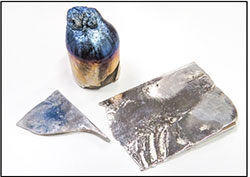
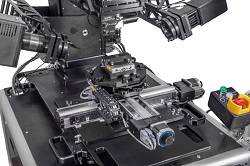
Ford Motor Co., Dearborn, Mich., and Alcoa Inc., Pittsburgh, are collaborating to produce next-generation Micromill automotive aluminum alloys that are 40% more formable and 30% stronger. Ford will use Alcoa’s Micromill aluminum in multiple components on the 2016 F-150, becoming the first automaker to use the advanced automotive aluminum commercially.
The Alcoa-patented Micromill process significantly changes the microstructure of the metal, allowing the production of an aluminum alloy for automotive applications that has 40% greater formability and 30% greater strength than conventional aluminum. Micromill is said to be the fastest, most productive aluminum casting and rolling system in the world, combining multiple technologies into a streamlined production system. A traditional rolling mill takes around 20 days to turn molten metal into coil; Micromill does it in just 20 minutes.
‘‘Light-weighting enables us to design vehicles with great customer attributes – like the F-150, which can tow more, haul more, accelerate quicker and stop faster than the previous F-150, and is more fuel-efficient than ever,” said Raj Nair, Ford group vice president and chief technical officer, Global Product Development. “This collaboration supports our continued drive for innovation, as we research automotive applications for even greater light-weighting.”
“Alcoa’s breakthrough Micromill technology offers highly differentiated automotive material with strength, weight, formability and surface quality combinations previously impossible,” said Klaus Kleinfeld, Alcoa chairman and chief executive officer. “This high-tech aluminum will give Ford a true material edge enabling greater design flexibility and better vehicle performance – making the concept cars of tomorrow a reality.”
The increased formability of Micromill aluminum makes it easier to shape into intricate forms, such as the inside panels of automobile doors and external fenders. The increased material strength allows for the use of thinner aluminum sheet without compromising dent resistance.