The 3D printing market is diverse. Certain materials and applications are seeing significant commercial growth while others are still overcoming technical and economic barriers to adoption. The next decade will undoubtedly see many changes with plenty of revenue to be generated. Materials informatics is an exciting new field involving data-centric approaches to materials R&D. This is impacting numerous sectors, including that of 3D printing. It is already proving to be a natural collaboration between these two emerging technologies.
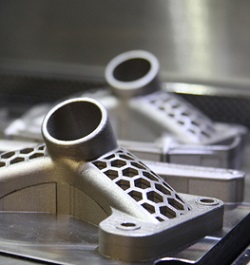
The metal additive manufacturing market is anticipated to grow to $15.5 bn by 2030 after a period of decline brought upon by the COVID-19 pandemic. There is a large amount of change in this field. Within the powder supply chain, we have seen multiple targeted acquisitions and expansions, and there is still a large amount of technology innovation and progression typified by the binder jetting and bound metal developments.
Materials informatics (MI) is one of the most exciting areas in materials science. Primarily, MI is based on using data infrastructures and leveraging machine learning solutions for the design of new materials, the discovery of materials for a given application, and the optimization of how they are processed. 3D printing has presented an obvious target for the use of materials informatics and is already producing some very promising results.
As is the mantra of the 21st century, data is king, and materials design for 3D printing is proving to be no exception. Building libraries for 3D printing materials and rapidly accelerating their production and development is a key emerging area. Materials informatics is a necessary catalyst to the 3D printing market.
For more information: IDTechEx Market Reports