Aalto University, Finland, reports that its researchers and partner manufacturers have proven that by adding a certain amount of beta-tricalcium phosphate (ß-TCP) to hydroxyapatite coatings on biomedical implants, integration is improved and the likelihood of infection is reduced. This research is significant in the battle against the spread of drug resistant bacteria.
Implants are commonly made from metals such as titanium alloys. These materials are made porous during processing to prepare them for medical use. Although this is important to ensure good contact between the implant and the bone, it also allows dangerous bacteria to adhere and grow both on the surface and inside, leading to increased risk of infection.
Hydroxyapatite (HAP) or bioactive glass (BAG) is typically applied to orthopedic and other implants to alter the surface properties. Such coatings improve the body’s ability to recognize a foreign object in a more friendly way and promote implant integration into surrounding tissues.
However, during the heat treatment process, excessive stresses can cause premature cracking and removal of the coating layer. This can lead to the development of unsuitable compounds and increase the risk of infection. By adding ß-TCP, such stresses are reduced and therefore the biomaterial coating is better preserved. This minimizes the risk of coating destruction and bacterial adhesion, and allows the implant surface to achieve its function in an optimal way.
An estimated 10-15% of post-implant complications are caused by bacterial infections. Post-operative diseases are becoming more challenging, and developing new treatments that are resistant to infection are crucial.
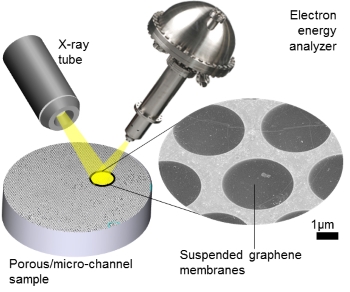
Researchers have started developing new experimental devices for advanced testing of biomaterials at the conditions most close to life. Besides proving developed technology, it will allow high-throughput screening of the biomaterials with substantially better properties.
“Our work has focused on developing an analysis of surface treatments for commercial implants which reduces risk of infection,” said Professor Michael Gasik at Aalto University. “What we wanted to do is find a way to avoid the formation of any undesirable products during the processing of the implant.”