Researchers at Ohio State University, Columbus, will present a discussion about how advanced engineered materials are being developed to enable the next generation of industrial innovations, at the ASM International IMAT 2020 conference in Cleveland in September.
Examples include high-entropy alloys, ultrafine-grained materials, and shape-memory alloys. These materials are highly sensitive to their microstructure and composition, both of which can be significantly affected by standard joining techniques.
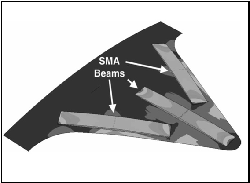
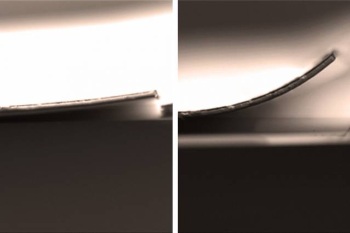
This presentation will use shape memory alloys as a case study for welding of advanced engineered materials. Shape memory alloys are often required to be joined to dissimilar materials when manufacturing multifunctional devices. However, they are susceptible to critical weldability issues due to brittle intermetallic formation in these dissimilar applications. In addition to weldability issues, the unique material properties are extremely sensitive to the microstructure and chemical composition. An ideal welding solution would not coarsen the microstructure or alter the composition.
New solid state joining methods that are based on deformation and that limit heat input have proven capable of creating these ideal joints. This critical analysis will compare current state-of-the-art techniques for welding shape memory alloys such as laser welding, with emerging technologies, including the vaporizing foil actuator welding process.
Title: A Critical Analysis of Welding Processes for Advanced Engineered Materials
Authors: Prof. Boyd E. Panton, Mr. Jianxiong Li, Dr. Anupam Vivek, Dr. Glenn S. Daehn, The Ohio State University, Columbus