Women in Engineering Profile: Janet Sater
This profile series introduces leading materials scientists from around the world who happen to be females. Here we speak with Janet Sater, FASM, research staff member at the Institute for Defense Analyses (IDA).
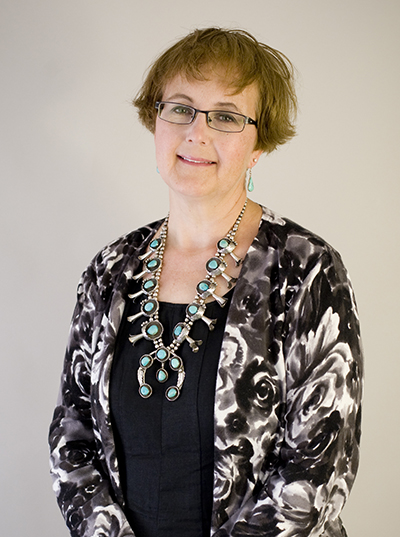 What does your typical workday look like? I don’t know if there is such a thing as a typical day. I work in the science and technology division (STD) of a not-for-profit, federally funded research and development center chartered to work only for the Department of Defense (DoD) and its associated agencies. STD provides objective, independent analyses of science and technology issues related to national security for our DoD sponsors. The range of topics on which we work is very broad and includes energy, optics, materials and armor, robotic systems, training, and human factors, among others. We also work with other divisions in our company that are focused on system and operational testing, cost analysis, and so forth. I might work on multiple, widely different projects on any given day.
What part of your job do you like most? I love that I am continually learning something new. My graduate school research efforts were focused on aspects of aluminum metallurgy. Since I started working at IDA, however, my efforts have barely touched on aluminum. My work has focused on numerous other materials and structures including polymer composites for spacecraft; high-temperature metal matrix composites for turbine engines; smart materials, devices, and structures for space, air, and underwater systems; robotics; advanced manufacturing processes; biological materials for camouflage; and material supply chains and more. Pretty cool for a metallurgist, but also challenging and fun.
What attracted you to engineering? I began my college career in biology with the intent of becoming a marine biologist. Because I like working with my hands and am very practical, I changed majors to engineering, but I wondered which field? My father, an electrical engineer, worked for a company that employed all kinds of engineers, and he arranged several meetings for me. Metallurgical engineering seemed most interesting to me. I am visually-oriented, and the idea that I could mix up some elements and chemicals to create a metal and then look at it under a microscope and know why it looked that way was very appealing. I never looked back. I finished my undergraduate degree in three and a half years including an honors research project, and then headed to graduate school at Purdue University for master’s and Ph.D. degrees. I’ve been very happy with my choices.
What are you working on now? I always have several projects going at the same time. I recently finished a study on the supply chain for a particular metal for a defense agency and I am currently completing a survey of best practices by government and industry for international technology exchange and transfer.
If a young person approached you for career advice about pursuing engineering, what would you tell them? Take all the math and science you can take in high school. Those fundamentals will serve you well whatever engineering field you choose. Find your passion. Be fearless in exploring the new and different. Develop good communication skills, both oral and written. Ask questions. Listen thoughtfully and with an open mind. Network—and not only electronically. Get involved in relevant professional societies. Find good mentors, including peers, advisors, bosses, and people you admire. Hobbies? Cooking, crafts (especially sewing, quilting, and beading), photography, reading, travel.
Last book read? Candice Millard’s “The River of Doubt: Theodore Roosevelt’s Darkest Journey.”
More information about ASM’s Women in Materials Engineering Committee.