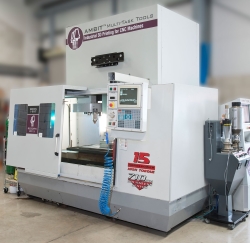
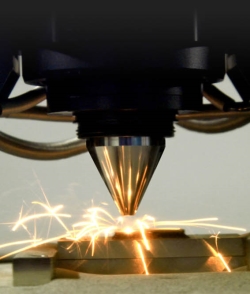
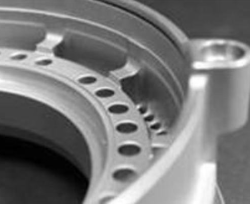
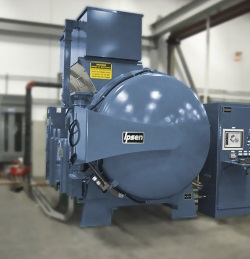
For a metal additive manufactured part to achieve final geometric dimensions with required precision, the desired surface finish, and obtain specified material properties, an entire value chain of processes must be used that includes conventional materials manufacturing processes. Each step can influence the material properties.
This complete processing chain is called hybrid manufacturing. Hybrid manufacturing refers to two or more sequential discrete processes (e.g. AM + Machining) employed to achieve the final part specifications. Material property enhancement processing steps can include post-processes such as hot isostatic pressing, heat treatment, and surface modification (i.e. shot peening, carburizing, etc.).
The industry is witnessing the introduction of new systems incorporating processes such as subtractive machining or thermal processing directly into the additive build envelope. The Consortium for Advanced Hybrid Manufacturing – Integrating Technologies (CAM-IT) created a technology roadmap to identify the challenges and technical gaps including those related to enhancing the materials properties.
Brett Conner, Youngstown State University.
Richard Wysk, Ola Harryson, North Carolina State University
Guha Manogharan, Pennsylvania State University
Dr. Brett Conner, a member of ASM International, is the Director of Advanced Manufacturing Workforce Initiatives and Associate Professor of Mechanical and Industrial Engineering at Youngstown State University.