Several Japanese universities, research groups, and government agencies published an article in the April 10 edition of the online journal Scientific Reports describing results of their analysis of the rare-earth metals they discovered in deep-sea mud near Japan back in 2013. The research team, led by Yutaro Takaya, an instructor at Waseda University, and Professor Yasuhiro Kato of the University of Tokyo, published detailed findings on the size and content of the deposits for the first time in an article titled “The tremendous potential of deep-sea mud as a source of rare-earth elements.”
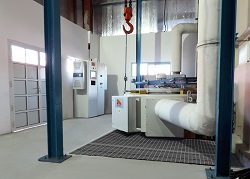
The researchers claim to have found more than 16 million tons of rare-earth deposits, equivalent to a few hundred years of global consumption, under the seabed near the island of Minami-Torishima, about 1200 miles southeast of Tokyo. They also said they had developed a hydrocyclone separator technology to allow the resources to be extracted efficiently.
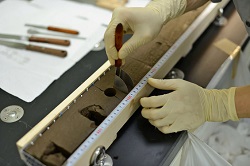
The research team collected samples of the rare earth elements in 25 locations on the seabed across 965 square miles in an area south of Minami-Torishima island, and analyzed the samples for the various rare-earth elements.
The analysis reportedly found 730 years’ worth of global demand for dysprosium, used for the magnets in hybrid cars, and 780 years’ worth of yttrium, used in lasers.
Link to the Scientific Reports article: