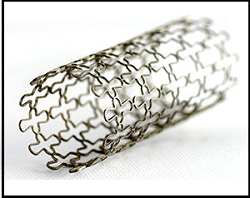
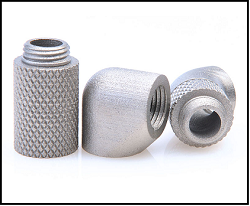
Picosun Group, Finland, reports excellent results in ALD-organic bilayer encapsulation of metal electrodes for neuroprosthetics and bioelectronic medicine. The Group also reports superior hermetic barrier performance of its ALD nanolaminates against corrosive ion diffusion in aqueous media. This is an important result for medical ALD applications and implantology, where metal components and sensitive microelectronics need to be protected against corrosion caused by human body fluids.
Picosun’s ALD nanolaminates were proven to completely block the diffusion of Na+, K+, Cl–, and PO43- ions, which are known to be among the most corrosive ionic species in aqueous media. Tests were performed at 87°C PBS (phosphate-buffered saline) solution for two months. Several of Picosun’s ALD materials have been already been proven non-cytotoxic and safe for human tissues, which gives great flexibility for designing tailored nanolaminate encapsulants for varying substrates and levels of protection.
For (platinum) metal electrode protection, ALD HfO2 was first used as an attachment and innermost barrier layer deposited right against the metal, and biocompatible organic polymer PDMS (polydimethylsiloxane) was applied on top of the ALD film to create impermeable, stable bilayer protection combining the best properties of both materials.
ALD HfO2 provides good adhesion to the surface and hermetic sealing of the surface, whereas PDMS, as the more “macroscopic” layer, robustness and sturdiness on top of the ultra-thin ALD film. The bilayer coatings were tested by soaking them in PBS solution for 450 days at room temperature.
www.picosun.com