Imagine a metal, scaffold-shaped implant that could support the regrowth of a shattered bone. All that would be needed would be an initial CT scan, a virtual construction of the implant, and a metal printer to produce the final product. Devastating outcomes like amputation or loss of the ability to walk could be prevented.
While this type of innovation may seem outside the realm of modern technology, several Duke professors have made such futuristic biomaterial implants a reality, including Ken Gall, professor in the department of mechanical engineering and materials science, Shyni Varghese, professor of orthopedic surgery, and Matthew Becker, Hugo L. Blomquist distinguished professor of chemistry.
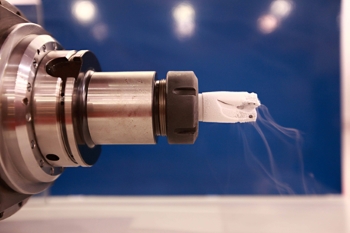
Gall’s research focuses on the use of 3D printed metals and polymers, including the aforementioned metal scaffold, using synthetic hydrogels for cartilage replacement and other related explorations. He also has initiated a new project investigating the types of structures that can be printed and is looking into utilizing machine learning or other algorithms to predict how these structures will behave.
Varghese’s research focuses more specifically on the utilization of the biomolecule adenosine to promote bone formation and prevent bone degeneration. She has developed three implants that could utilize adenosine to promote fracture healing, the first of which takes advantage of the nanomolar amounts of adenosine already existing in the body.
While normal adenosine levels are usually too low to promote healing, cells under stress during an injury secrete more of the molecule. Hence, Varghese proposed a biomaterial implant that can sequester this released adenosine during cell stress and ensure it stays in the body for a longer time to promote healing.
Adenosine levels decrease in the case of a disease. To address insufficient levels of the biomolecule in patients, Varghese created an implant that delivers additional adenosine to the body.
Becker’s research aims to “bring new material, fundamental building blocks, into the realm of possibility,” he said. He hopes to use these new biomaterials to fulfill unmet medical needs and material challenges across a variety of medical disciplines.
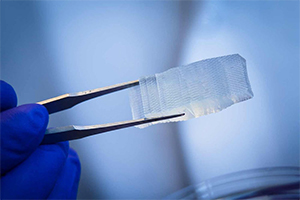
One of the implants that Becker has developed consists of a degradable polymer film made of amino acid-based polyester ureas loaded with analgesics. The film can be implanted after a laparoscopic surgery or a C-section and can control pain locally for four to five days. This would mean that opioid pain relief medication would no longer be needed for patients post-surgery.
For more information: Duke University