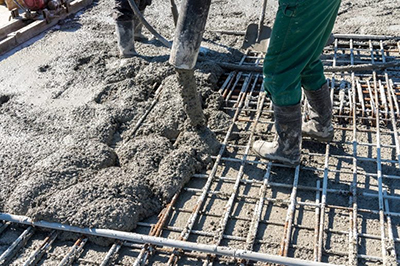
Switching to building materials designed to store carbon dioxide could significantly advance net-zero greenhouse gas emission efforts. A new study estimates that using CO2-sequestering materials could capture up to 16.6 ± 2.8 gigatons of CO2 annually, nearly 50% of 2021’s global CO2 emissions. Reducing atmospheric CO2 and lowering emissions is crucial for slowing global warming. Construction materials, due to their widespread use and long lifespan, could serve as major carbon reservoirs. Van Roijen and her team suggest incorporating carbon aggregates into concrete and using bio-based components in bricks.
The study highlights that the carbon storage potential depends more on the volume of material used (e.g., cement, which stores less carbon per unit but is ubiquitous) than the amount of carbon stored per unit weight. However, challenges remain, including resistance from builders hesitant to adopt new materials due to liability concerns, limited availability of carbon-sequestering minerals, and the need for a carefully managed supply chain.
These challenges, underscore the importance of systemic changes to make these innovations viable.
For more information: Science