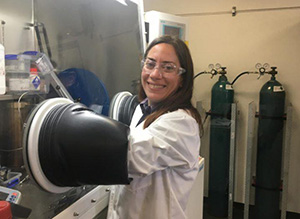
Dr. Veronica Sofianos’s research group is developing cheap nanomaterials for sustainable energy and looking to turn waste into thermal batteries.
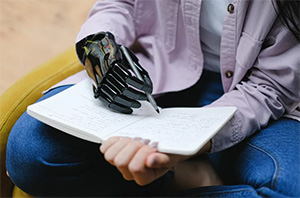
“Many don’t realize that materials science is the reason for having smartphones, laptops, satellites, rockets, optic fibers, electric cars and so on,” Dr. Veronica Sofianos told SiliconRepublic.com.
“All of which not only improve the quality of our lives but also generate new knowledge in other STEM fields, like astronomy for example.”
Sofianos is a materials scientist and assistant professor at University College Dublin. Previously, she won a scholarship from the National Center of Scientific Research Demokritos in Athens, Greece, to conduct a Ph.D. on nanomaterials for photocatalytic air purification.
Currently, her research group is developing cheap nanomaterials for sustainable energy. “We are researching ways to split water to produce green hydrogen that can be used locally in Ireland and/or exported,” she said.
“Ireland has a very good geographical location for exporting green hydrogen, we just need to develop the technology so it can be mass-produced cost effectively, while using renewable energy to do so.”
In May of this year, the World Meteorological Organization found that four climate records were broken last year, a “clear sign” of the impact human activity is having on the climate emergency.
Sofianos took part of this year’s Soapbox Science Dublin event, where she spoke about how nanoparticles can help combat the climate crisis.
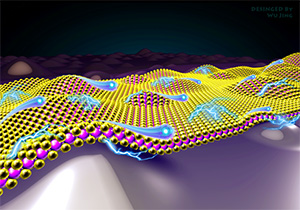
“Nanoparticles for me encapsulate the magic of science and will play a key role in combatting climate change by either producing green energy or storing it,” she said. “My research group is trying to understand how the physical and chemical properties of nanoparticles are linked to their ability to produce or store green energy. If we manage to do this successfully, we can then tailor nanoparticles for specific green energy applications.”
Sofianos is hopeful that this research will lead to the development of cheap and efficient nanoparticles that can mass-produce green energy such as hydrogen or store renewable energy long term without energy losses.
She added that materials science has already come a long way with the part it plays in everything from our phones to electric cars, and that there’s so much more change to come.
“We just have to make sure that this change will be for the better, where net zero in the energy sector is a reality, and fossil fuels are finally left in the ground.”
For more information: SiliconRepublic.com