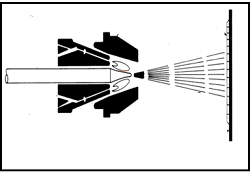
Researchers from the University of Alberta developed a water desalination membrane in which 600-micron-thick stainless steel membranes were coated by flame-sprayed inorganic materials, followed by a thin layer of a hydrophobic polymer.
In this study, a novel approach was taken towards fabricating a multi-layered membrane, incorporating both organic and inorganic layers. A set of 600-micrometer-thick 304 stainless steel meshes were coated with inorganic materials by flame spraying. Inorganic membranes can lead to the treatment of harsher feed waters and extended functionality because they are less susceptible to biofouling.
Homogeneous coatings were fabricated on substrates with a limited amount of thermal deformation. To increase the hydrophobicity of the prepared membrane, a thin layer of a hydrophobic polymer (polyvinylidene fluoride, PVDF) was cast on the membrane by the phase inversion method.
Scanning electron microscopy images showed the porous structure of each layer. The water contact angle confirmed high hydrophobicity of the polymeric layer. The permeability of the membrane was measured by a membrane distillation assembly.
The increased thickness of the membrane, when compared to conventional polymeric membranes, had a negative impact on the water flux, but the decrease in heat loss due to lower heat conduction through the membrane itself, compensated for the reduction in flux. The results indicate the potential of utilizing thermal spray in membrane manufacturing.
Study Title: Fabrication of multi-layered organic/inorganic water desalination membranes by flame spray coating and phase inversion polymer casting
Arian Enayat ([email protected]), Mohtada Sadrzadeh, Andre McDonald; University of Alberta, Canada